Turkish
App Store Screenshots
Translate your set into Turkish without rebuilding the layout. Locale tr, captions run 5 to 15% longer than English, set in Your chosen builder font.
2,205 screenshots designed here so far


The same five-frame set, rendered in Turkish. Real output from the pipeline, not a mockup of one.
Türkçe
Turkey is a large, young, highly mobile-first storefront with strong download volume and modest revenue per user. English-only listings underperform noticeably here, and the localization is cheap because the script is Latin.
Turkey, Northern Cyprus.
A translator returns a spreadsheet of strings.You get finished frames.
What breaks in Turkish
Turkish is agglutinative: it builds meaning by stacking suffixes onto a root, so a single word can carry what English needs a clause for. Overall length changes little, but individual words get long enough to break narrow slots.
Turkish has dotted and dotless i as separate letters, so naive uppercasing corrupts words
Agglutination produces long single words that break narrow captions
Six additional accented characters need proper font coverage
Vowel harmony means suffixes change form, so string concatenation across captions reads wrong
You type. The canvas builds.
Describe your app, see your first set, then ask for Turkish. The layout survives the language change because you are editing the same set, not starting a new one.

AppScreenshotStudio
AppScreenshotStudio
AppScreenshotStudio
AppScreenshotStudio
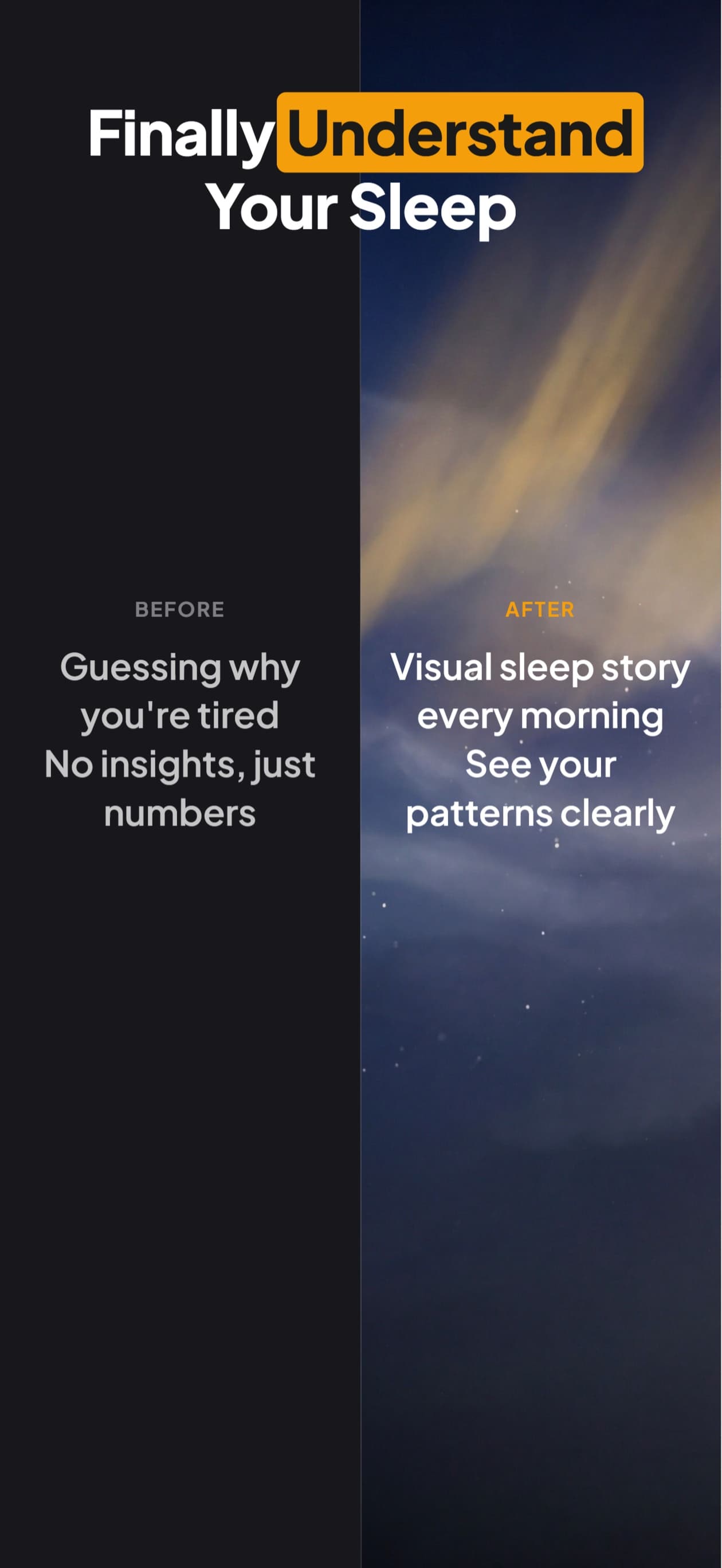
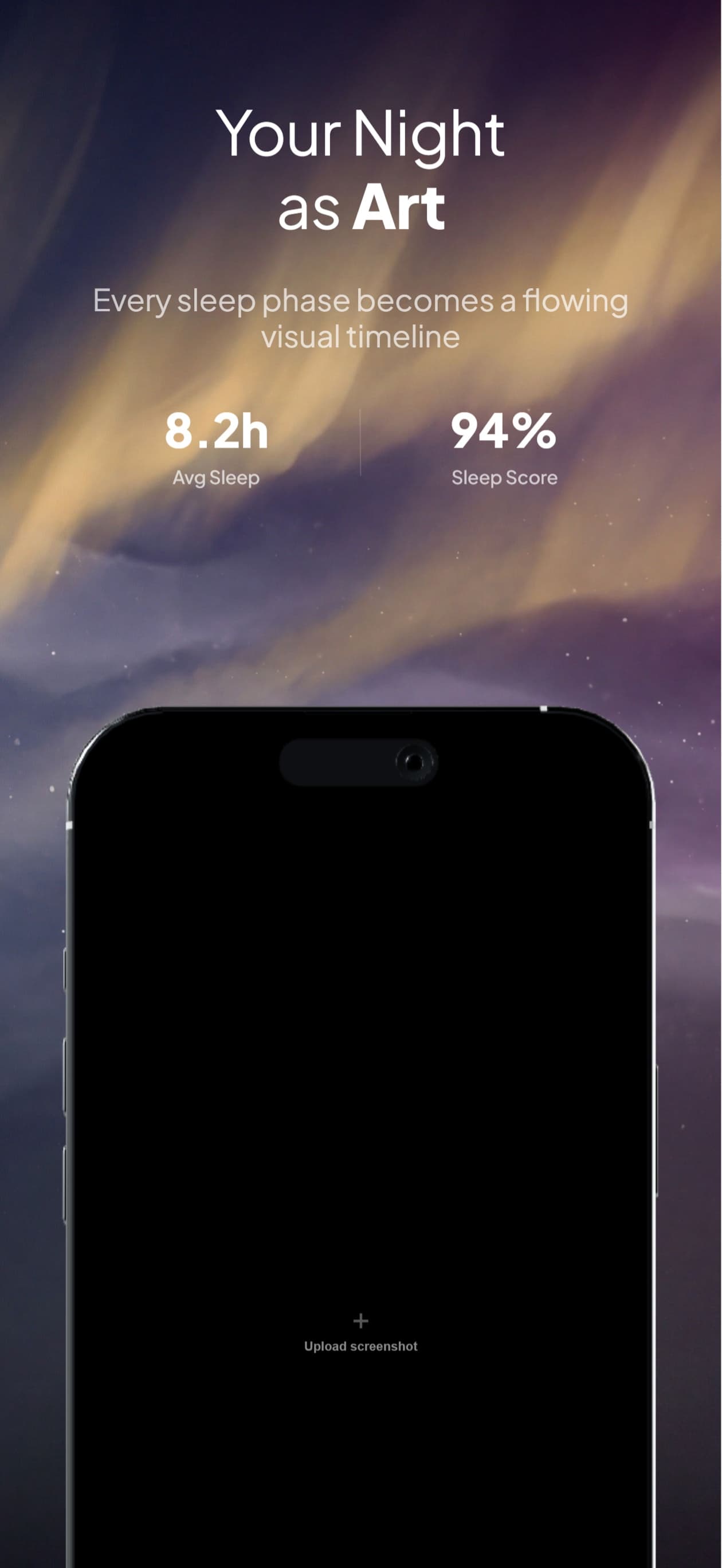
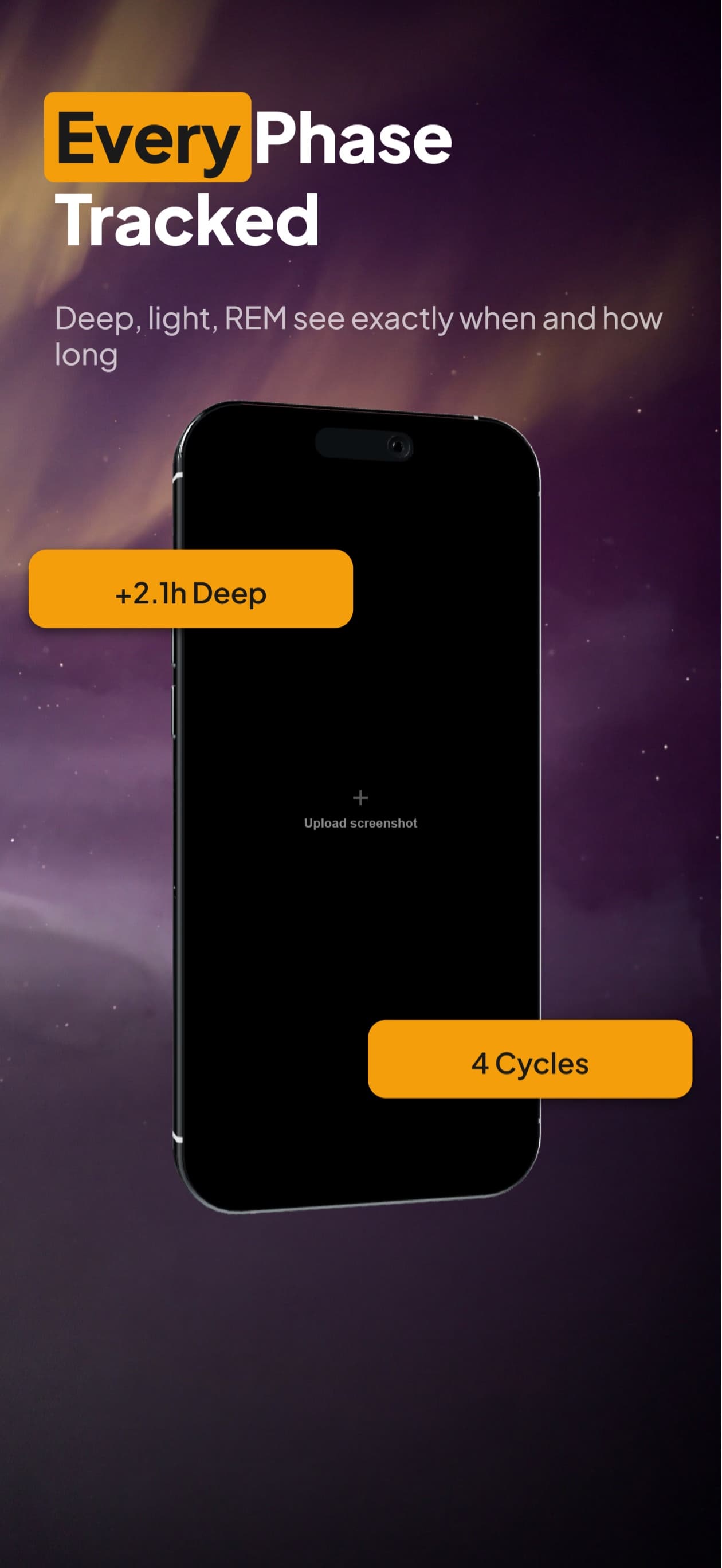
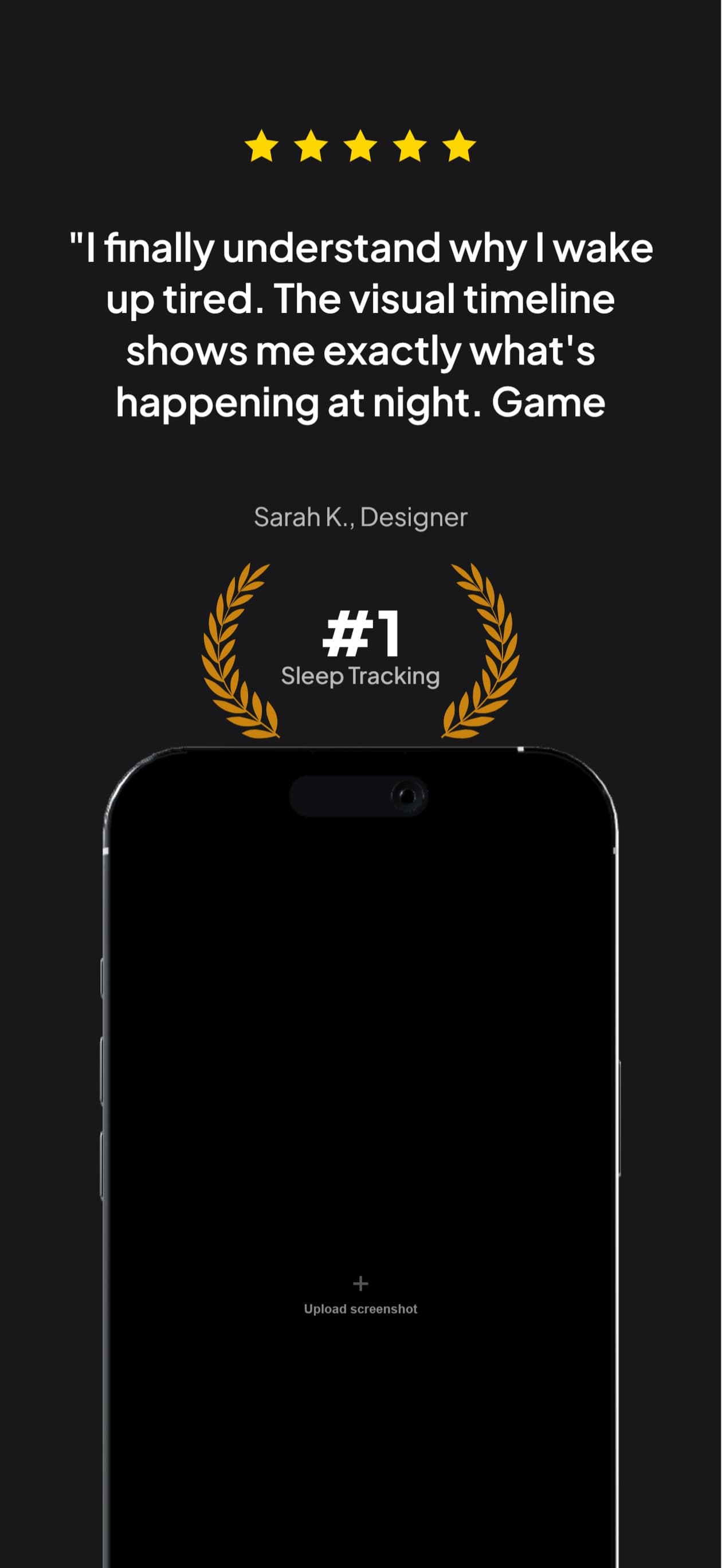
Turkish sets, handled
Turkish casing rules respected so İ and ı survive headline treatments
Long agglutinated words given break opportunities rather than clipping
Full coverage of the Turkish accented set with no fallback glyphs
Same set retranslated in chat, layout intact
Exports at the exact dimensions App Store Connect requires for tr
Questions & Answers
What is the dotted i problem in Turkish?
Turkish treats dotted and dotless i as two distinct letters, each with its own uppercase and lowercase form. A renderer that applies English casing rules turns a correct Turkish word into a misspelled one, which is immediately visible to a native reader and easy to ship without noticing.
How much does Turkish text expand?
Only around 5 to 15% overall, but that number understates the layout risk. Turkish stacks suffixes onto roots, so individual words get long even when the sentence does not, and it is the narrow caption slots that break first.
Is Turkey a worthwhile storefront?
It has strong download volume and a young mobile-first audience, with modest revenue per user. Since the script is Latin the localization is cheap to add, which makes the payoff calculation easier than for the CJK markets.
Turkish screenshots,
handled.
Try AppScreenshotStudio. 14-day trial with 25 credits. Card required, cancel anytime before it ends.
Start your trial