Odia
App Store Screenshots
Translate your set into Odia without rebuilding the layout. Locale or, captions run 15 to 25% longer than English, set in Noto Sans Oriya.
2,205 screenshots designed here so far


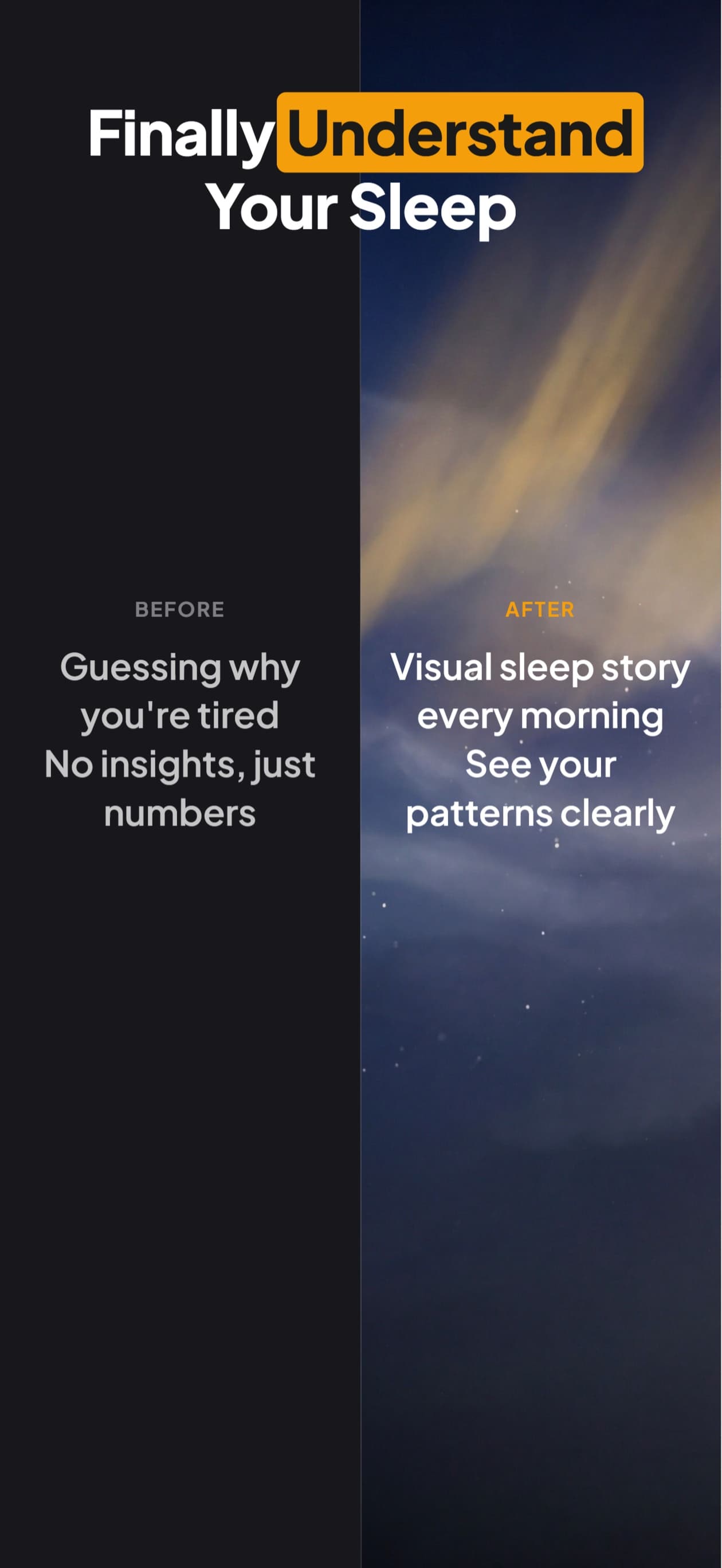
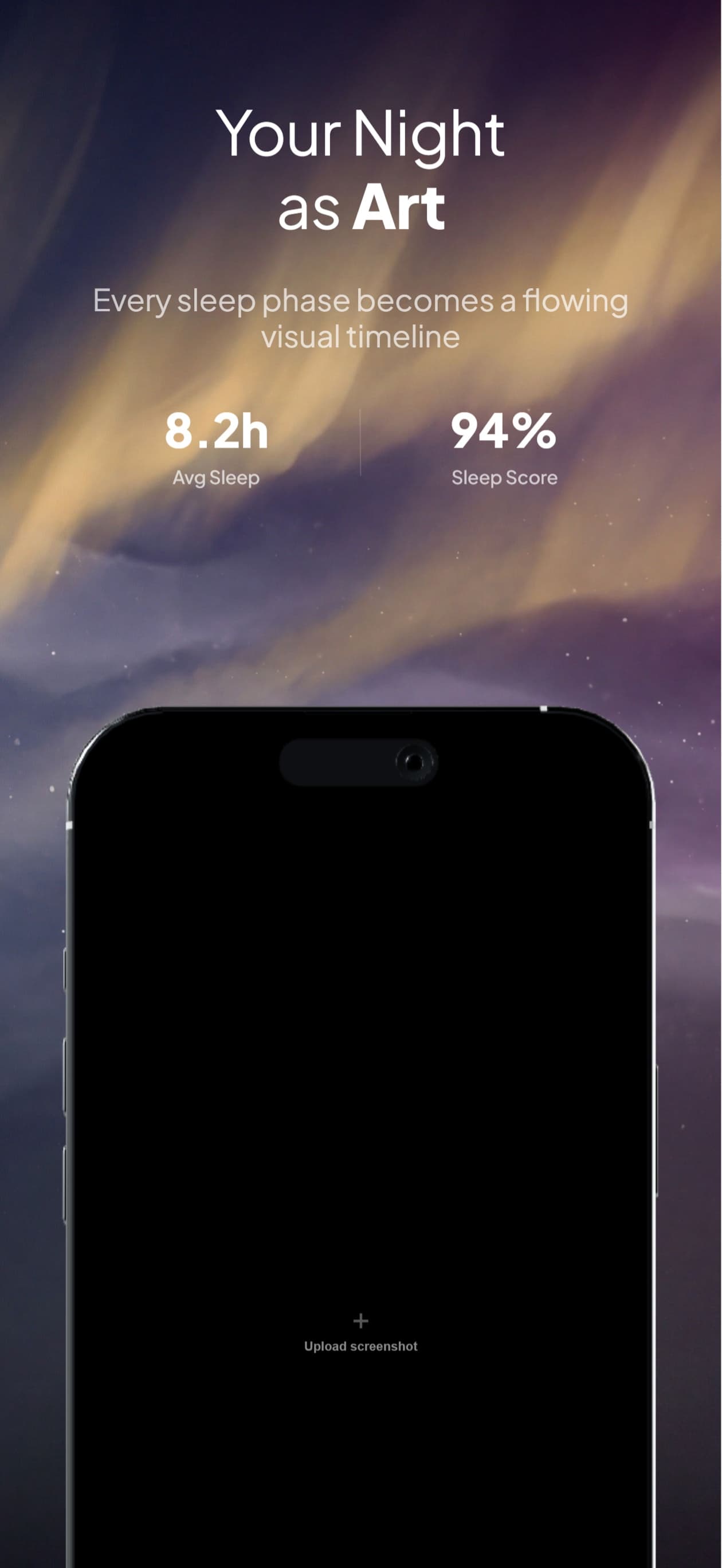
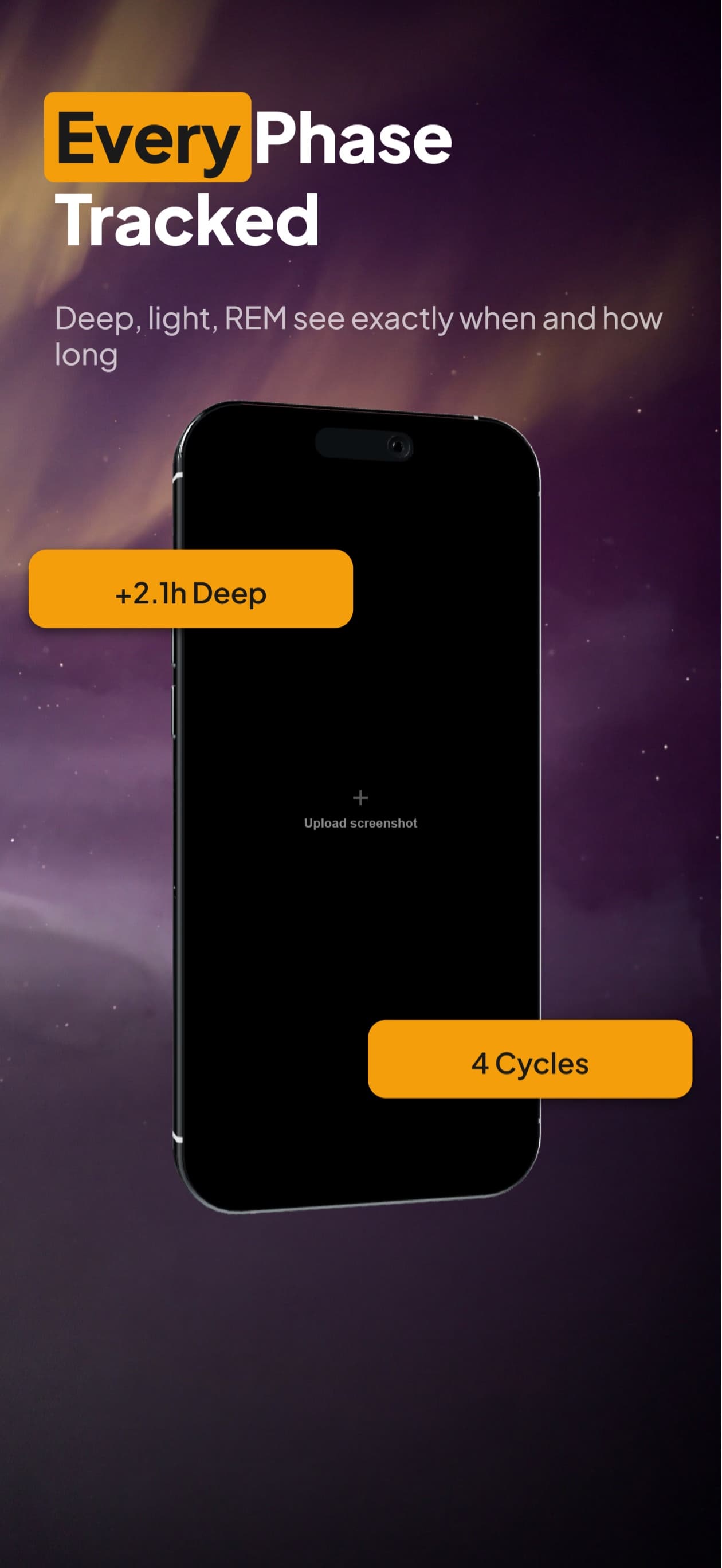
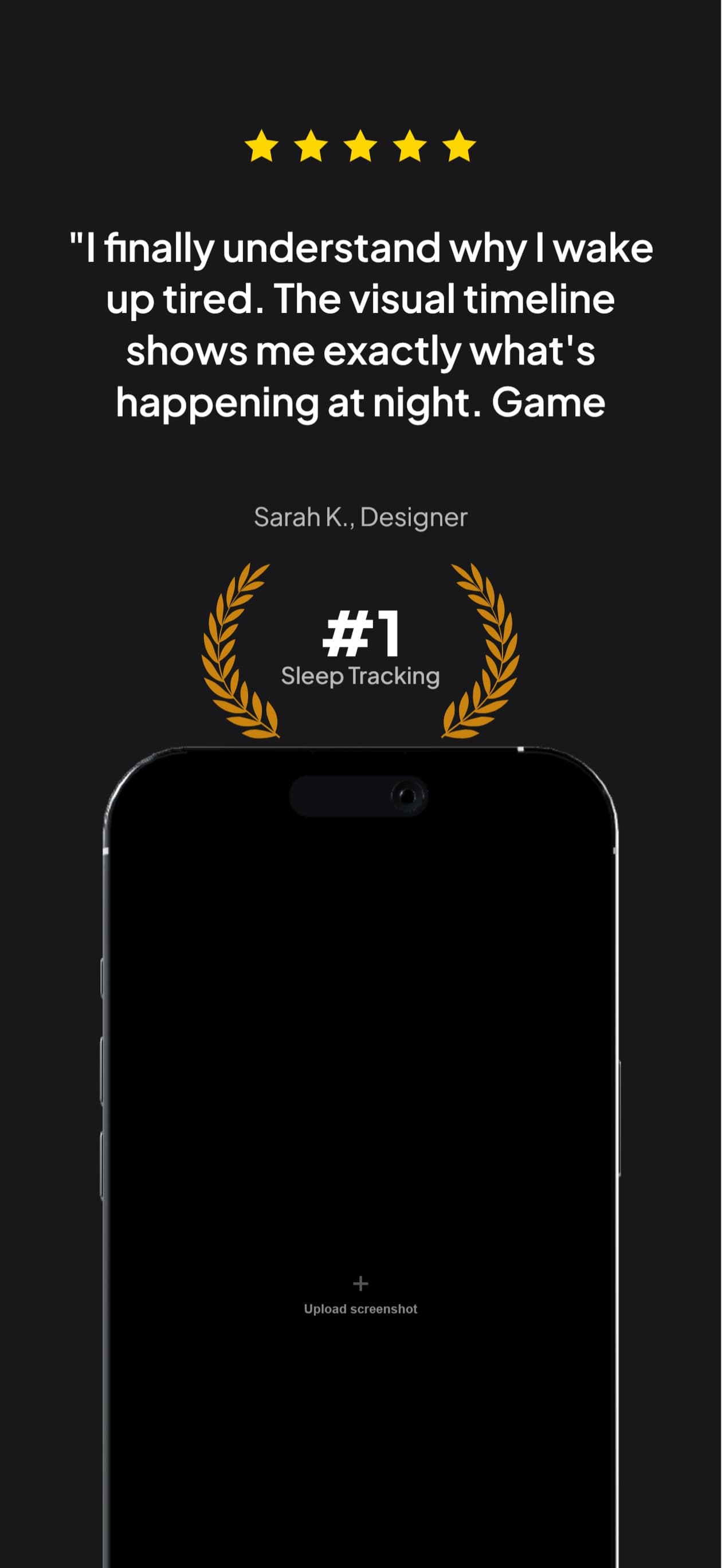
The same five-frame set, rendered in Odia. Real output from the pipeline, not a mockup of one.
ଓଡ଼ିଆ
Odisha is a state of roughly forty million people that almost no software company localizes for, because until 2026 the App Store could not express it. The competitive field is close to empty, which is the whole case for this one.
India.
This localization did not exist before 31 March 2026. Apple added it in the eleven-language expansion it framed around India, so most listings in this market are still English by default rather than by decision.
A translator returns a spreadsheet of strings.You get finished frames.
What breaks in Odia
Odia stacks conjunct consonants vertically more aggressively than any other script in this set, so a two-consonant cluster can occupy two levels of depth below the base letter. Its rounded upper curves also make the glyphs read wider than their advance suggests, which is a legibility issue at small caption sizes rather than a layout one.
Conjuncts stack vertically two levels deep, so the line box needs more descender room than any other script here
The rounded upper curve is the dominant visual feature and blurs first when a caption is set too small
Vowel signs attach on both sides of the base letter, so left-to-right truncation cuts a letter apart
Font coverage for Odia is thinner than for the larger Indic scripts, so substitutions are more likely to tofu
You type. The canvas builds.
Describe your app, see your first set, then ask for Odia. The layout survives the language change because you are editing the same set, not starting a new one.

AppScreenshotStudio
AppScreenshotStudio
AppScreenshotStudio
AppScreenshotStudio
Odia sets, handled
A localization with essentially no competition, because it became possible fifteen months ago
Noto Sans Oriya loaded explicitly, so thin system font coverage cannot produce tofu boxes
Line spacing that reserves the two levels of vertical stacking Odia conjuncts need
The same set you built in English, retranslated in chat without rebuilding the layout
Exports at the exact dimensions App Store Connect requires for the or localization
Questions & Answers
Is it worth localizing for Odia?
The honest answer depends on whether you are optimising for volume or for competition. Odisha is around forty million people, which is a real market and a small one by Indian standards. What makes it interesting is that the localization has existed since March 2026 and almost nobody has shipped one, so the listing has no localized competitors to sit behind.
Why is Odia more likely to render as boxes than Hindi?
Font coverage. Devanagari ships on nearly every device and rendering environment; Odia does not, so a pipeline that relies on whatever font the machine has will sometimes find nothing and draw empty boxes. We load Noto Sans Oriya as a webfont in both the preview and the export, so coverage does not depend on the machine.
Is Odia the same as Oriya?
Same language, different spelling of the name. Odia is the current official form; Oriya is the older romanisation and still appears in font names, including the Noto family we render with. The App Store Connect locale code is or.
When did Odia become available on the App Store?
On 31 March 2026, in the eleven-language expansion. Any competitive research done before then will show the localization simply did not exist.
Odia screenshots,
handled.
Try AppScreenshotStudio. 14-day trial with 25 credits. Card required, cancel anytime before it ends.
Start your trial